
Building a wardrobe that transcends fleeting trends feels overwhelming when faced with endless options and constant style shifts. You want pieces that tell a story, reflect craftsmanship, and remain relevant season after season, yet distinguishing genuine heritage from marketing hype proves challenging. This guide walks you through the principles of curating a timeless collection rooted in designer heritage and cultural significance. You'll learn how to select versatile pieces, incorporate ethical storytelling, and maintain a wardrobe that grows more valuable with time. By focusing on quality, intention, and respect for cultural origins, you'll build a collection that reflects your values and stands the test of time.
Table of Contents
- Understanding Classic Style Principles For A Timeless Collection
- Curating Your Collection: Colors, Fabrics, And Versatile Pieces
- Incorporating Designer Heritage And Cultural Storytelling Ethically
- Maintaining And Evolving Your Timeless Collection Over Time
- Explore Curated Designer Pieces To Start Your Timeless Collection
Key takeaways
| Point | Details |
|---|---|
| Classic style values quality | Prioritizing craftsmanship over trends creates lasting wardrobe foundations |
| Neutrals maximize versatility | Base colors like navy, beige, and gray enable effortless outfit coordination |
| Cultural respect enhances meaning | Ethical incorporation of heritage elements adds depth without exploitation |
| Heritage brands model discipline | Consistent identity over decades builds authentic brand equity |
| Strategic evolution beats trends | Thoughtful additions preserve collection integrity better than reactive purchases |
Understanding classic style principles for a timeless collection
Classic style prioritizes quality over trends, balance over excess, and intention over novelty. These three pillars form the foundation of any wardrobe that remains relevant regardless of seasonal shifts. Quality means selecting pieces constructed with superior materials and techniques that improve with age rather than deteriorate. Balance refers to proportions and silhouettes that flatter without drawing attention to themselves. Intention demands every purchase serves a clear purpose within your existing collection.
Timeless outfits possess an effortless quality that requires no explanation. They simply look right because they follow fundamental principles of proportion, color harmony, and appropriate context. A well-fitted blazer paired with tailored trousers in complementary neutrals creates visual coherence that transcends any single season's offerings. The garments work together without competing for attention, allowing the wearer's personality to emerge naturally.
Simplicity and restraint separate classic style from trend-driven fashion. Rather than accumulating dozens of statement pieces, focus on building a core wardrobe of versatile essentials. Each item should coordinate seamlessly with multiple others, creating exponential outfit possibilities from a modest number of garments. This approach reduces decision fatigue while ensuring you always have appropriate options regardless of occasion.
Neutrals form the backbone of this strategy. Black, white, navy, beige, camel, gray, and earth tones provide the foundation for a cohesive wardrobe that works year-round. These colors pair effortlessly with each other and serve as canvases for occasional accent pieces. A neutral base allows you to introduce texture and subtle pattern without visual chaos.
Accessories function as quiet enhancers rather than focal points in classic style. A quality leather belt, understated watch, or simple leather bag completes an outfit without dominating it. The goal is polished refinement, not attention-seeking embellishment. Brands like Louis Vuitton built empires on this principle, creating accessories that signal quality through craftsmanship rather than overt branding.
Pro Tip: Invest in one exceptional neutral piece each season rather than multiple trendy items. A single well-made camel coat will serve you for decades, while five fast fashion jackets will be discarded within two years.
Curating your collection: colors, fabrics, and versatile pieces
Neutrals provide cohesion and year-round relevance by eliminating the guesswork from outfit coordination. Black offers sophistication and formality, white provides crisp contrast, navy serves as a softer alternative to black, and beige introduces warmth. Camel and gray bridge these extremes, while earth tones like olive and chocolate add subtle variation. Together, these colors create a palette that works in any combination.
Fabric selection determines how well your pieces age. Natural fibers like wool, cotton, linen, and silk generally outlast synthetics while developing character over time. Wool holds its shape and resists wrinkles, making it ideal for tailored pieces. Cotton breathes and softens with washing, perfect for everyday wear. Linen offers unmatched summer comfort despite its tendency to crease. Silk adds luxury and drapes beautifully for special occasions.
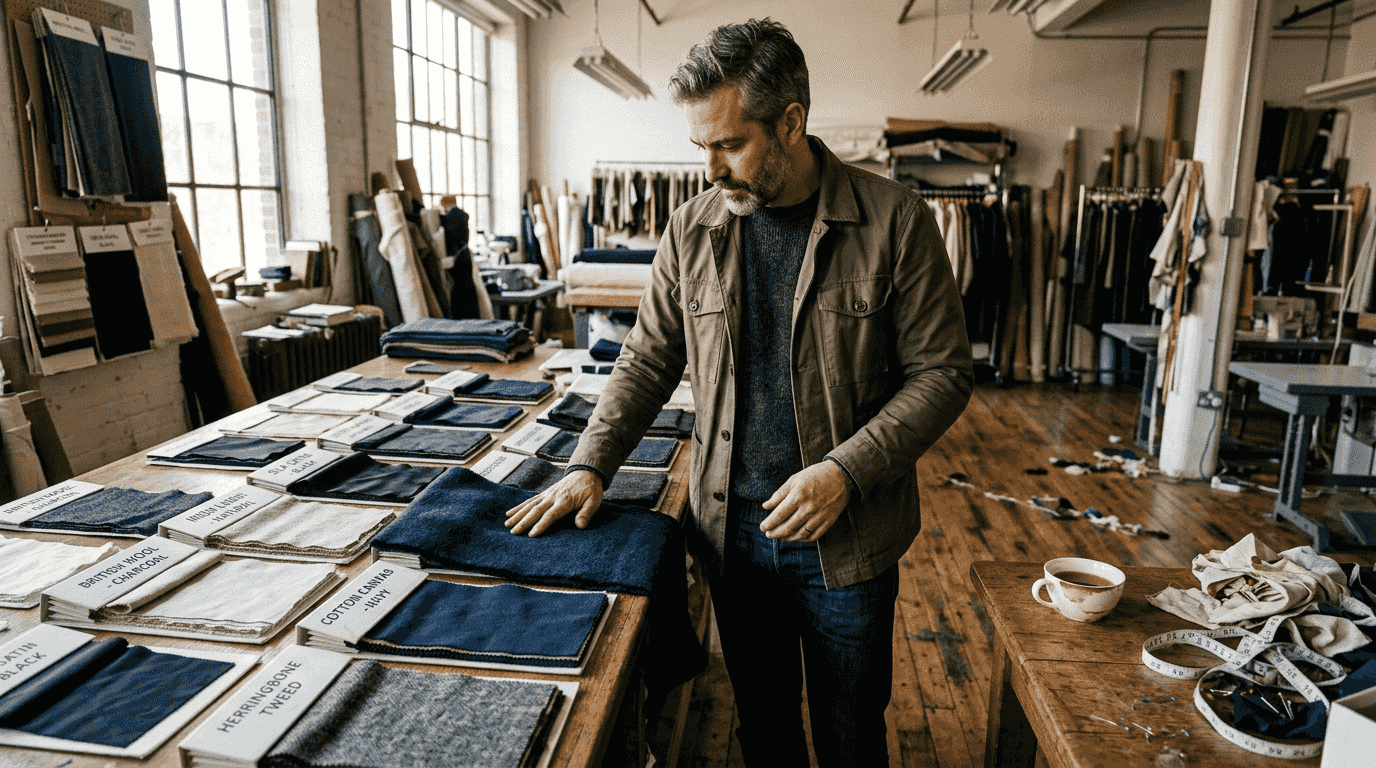
| Fabric | Durability | Appearance Over Time | Best Uses |
|---|---|---|---|
| Wool | Excellent | Develops subtle patina | Blazers, trousers, coats |
| Cotton | Very Good | Softens, slight fading | Shirts, casual wear |
| Linen | Good | Natural wrinkles add character | Summer pieces, relaxed styles |
| Silk | Moderate | Maintains luster with care | Evening wear, accessories |
| Cashmere | Good | Pills without proper care | Sweaters, scarves |
| Leather | Excellent | Rich patina over decades | Shoes, bags, outerwear |
Versatile staples form the core of your timeless collection. A tailored navy blazer works for business meetings and casual dinners. A classic trench coat transitions seamlessly between seasons. White button-down shirts pair with everything from jeans to formal trousers. Quality leather shoes in black and brown cover most occasions. A simple leather bag carries your essentials without screaming for attention.
Mixing neutrals requires understanding undertones. Warm neutrals like camel and beige pair naturally with earth tones, while cool neutrals like gray and navy complement each other. Black and navy can work together despite outdated rules against it, provided the textures differ enough to create visual interest. White brightens any combination and serves as a reset button when coordinating multiple neutrals.
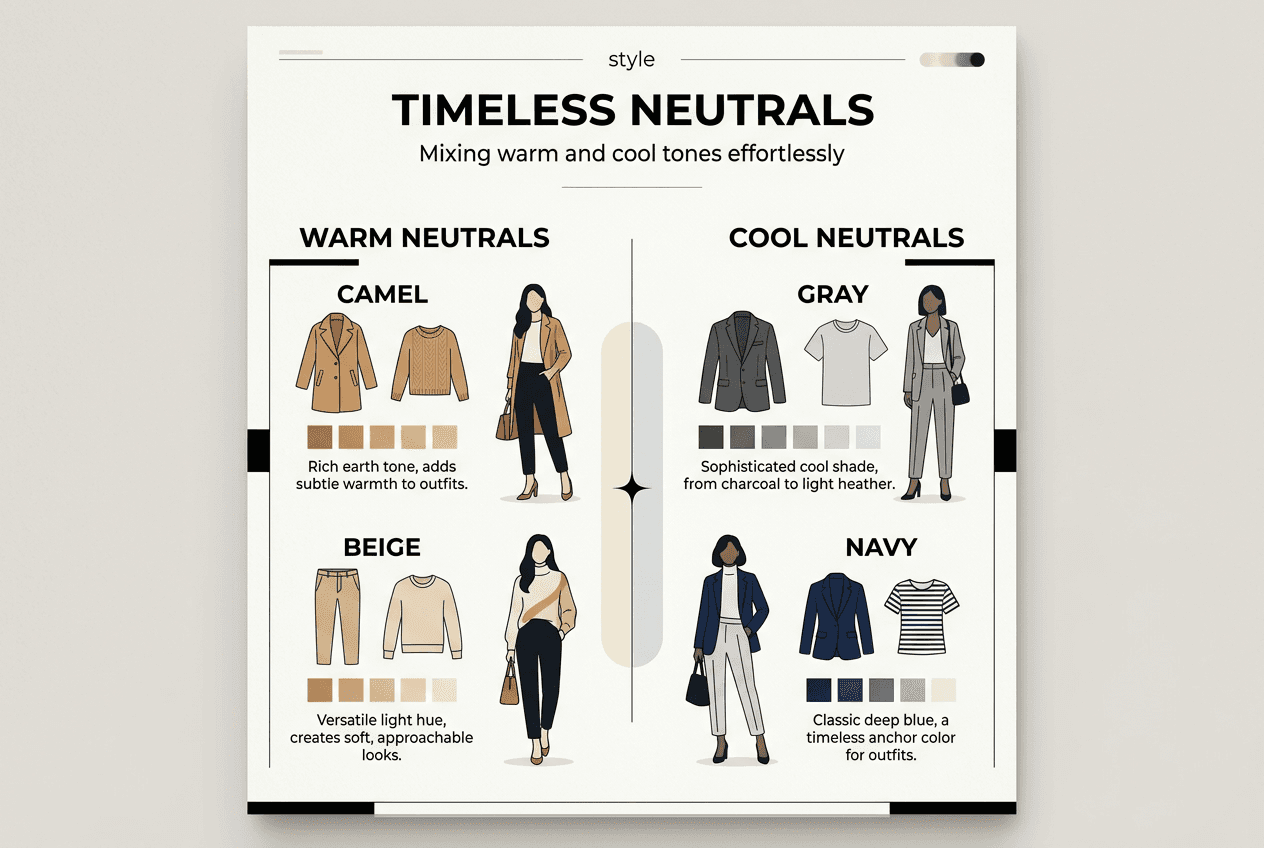
Pro Tip: Build your collection around two neutral color families (one warm, one cool) to ensure everything coordinates. Choose beige and camel for warm tones, navy and gray for cool tones, then add black and white as universal connectors.
Incorporating designer heritage and cultural storytelling ethically
Chanel demonstrates how heritage storytelling becomes competitive advantage with discipline and vision. The brand maintains relevance by honoring its founder's revolutionary contributions to women's fashion while evolving designs for contemporary audiences. This balance between preservation and innovation requires resisting the temptation to chase trends that contradict core identity. Heritage becomes valuable only when brands consistently reinforce it through every collection, campaign, and product decision.
Cultural appropriation poses serious ethical challenges when fashion borrows from traditional designs without acknowledgment or benefit to originating communities. The fashion industry struggles with cultural appropriation when traditional designs are used without attribution or benefit to originating communities. Luxury brands have copied Kolhapuri sandals, indigenous textiles, and ceremonial garments, profiting from centuries of cultural development while contributing nothing to the source communities. This exploitation damages both the communities and the industry's credibility.
Ethical incorporation of cultural storytelling requires deliberate steps:
- Research the origins and significance of any cultural element you wish to include
- Seek permission or collaboration with representatives from the source community
- Credit the cultural origin explicitly in product descriptions and marketing
- Ensure financial benefit flows back to the originating community through partnerships or licensing
- Avoid using sacred or ceremonial elements in commercial fashion contexts
Emerging fashion regions like Saudi Arabia are building identities rooted in local heritage rather than imitating Western aesthetics. These efforts demonstrate how cultural specificity creates differentiation in a globalized market. Traditional crafts, regional textiles, and historical silhouettes inform contemporary designs that feel fresh precisely because they draw from underexplored sources. This approach benefits both designers and consumers seeking alternatives to homogenized global fashion.
"Heritage storytelling requires discipline to maintain brand identity across decades. Without consistent reinforcement, heritage becomes nostalgia rather than competitive advantage. The most successful heritage brands treat their history as a living framework that guides rather than constrains innovation."
Brands like Louis Vuitton built their reputations on respecting craft traditions while adapting to changing consumer needs. This balance allows heritage to inform rather than limit creative expression. When curating your collection, prioritize pieces that honor their cultural origins through proper attribution and ethical production.
Maintaining and evolving your timeless collection over time
Regular collection audits prevent wardrobe bloat and identify pieces requiring attention. Schedule quarterly reviews to assess each item's condition, fit, and relevance. Remove garments showing irreparable wear, no longer fitting properly, or sitting unworn for over a year. This discipline ensures your collection remains curated rather than accumulated. Worn pieces often need only minor repairs to return to rotation, making maintenance more economical than replacement.
Adding new items requires the same intentionality as initial curation. Before purchasing, ask whether the piece fills a genuine gap, coordinates with existing items, and meets your quality standards. Chanel increased capital expenditure by 43% to maintain brand equity, showing long-term investment in quality. This principle applies equally to personal wardrobes. Strategic additions strengthen your collection, while impulsive purchases create clutter.
| Approach | Method | Result | Long-term Value |
|---|---|---|---|
| Reactive trend chasing | Purchase items based on seasonal trends | Wardrobe feels dated within months | Low, constant replacement needed |
| Strategic heritage additions | Select pieces with proven longevity | Collection gains depth over time | High, items appreciate in relevance |
Maintenance tips for preserving luxury pieces:
- Store garments properly using quality hangers and breathable garment bags to prevent dust and damage
- Clean items according to manufacturer specifications rather than defaulting to dry cleaning
- Rotate shoes and bags to prevent excessive wear on favorites
- Address minor repairs immediately before they worsen into major damage
- Invest in professional cleaning and restoration for high-value pieces annually
- Use shoe trees, bag shapers, and other tools to maintain structure during storage
Professional services extend garment lifespan significantly. A skilled tailor can update silhouettes, replace linings, and adjust fit as your body changes. Leather specialists restore bags and shoes to near-original condition. These investments cost less than replacement while maintaining the emotional connection you've developed with favorite pieces. Quality items improve with proper care, developing character that new purchases lack.
Strategic evolution means adding pieces that enhance rather than replace your existing collection. If your wardrobe lacks a quality leather jacket, that addition multiplies outfit possibilities. If you already own three navy blazers, another serves no purpose regardless of quality. Focus on filling genuine gaps rather than duplicating categories. This approach builds a collection that grows more valuable and versatile over time.
Pro Tip: Create a wishlist of specific gaps in your collection with detailed criteria for each item. When shopping, consult this list rather than browsing aimlessly. This strategy prevents impulse purchases while ensuring new additions serve clear purposes.
Explore curated designer pieces to start your timeless collection
Building a wardrobe rooted in heritage and craftsmanship becomes simpler when you have access to carefully vetted selections. Piece Atelier offers a curated collection of designer pieces chosen for their cultural significance and lasting appeal. Each item comes with the story behind its creation, helping you understand the heritage you're adding to your wardrobe. Rather than sifting through countless options, you'll find pieces that exemplify the principles outlined in this guide.
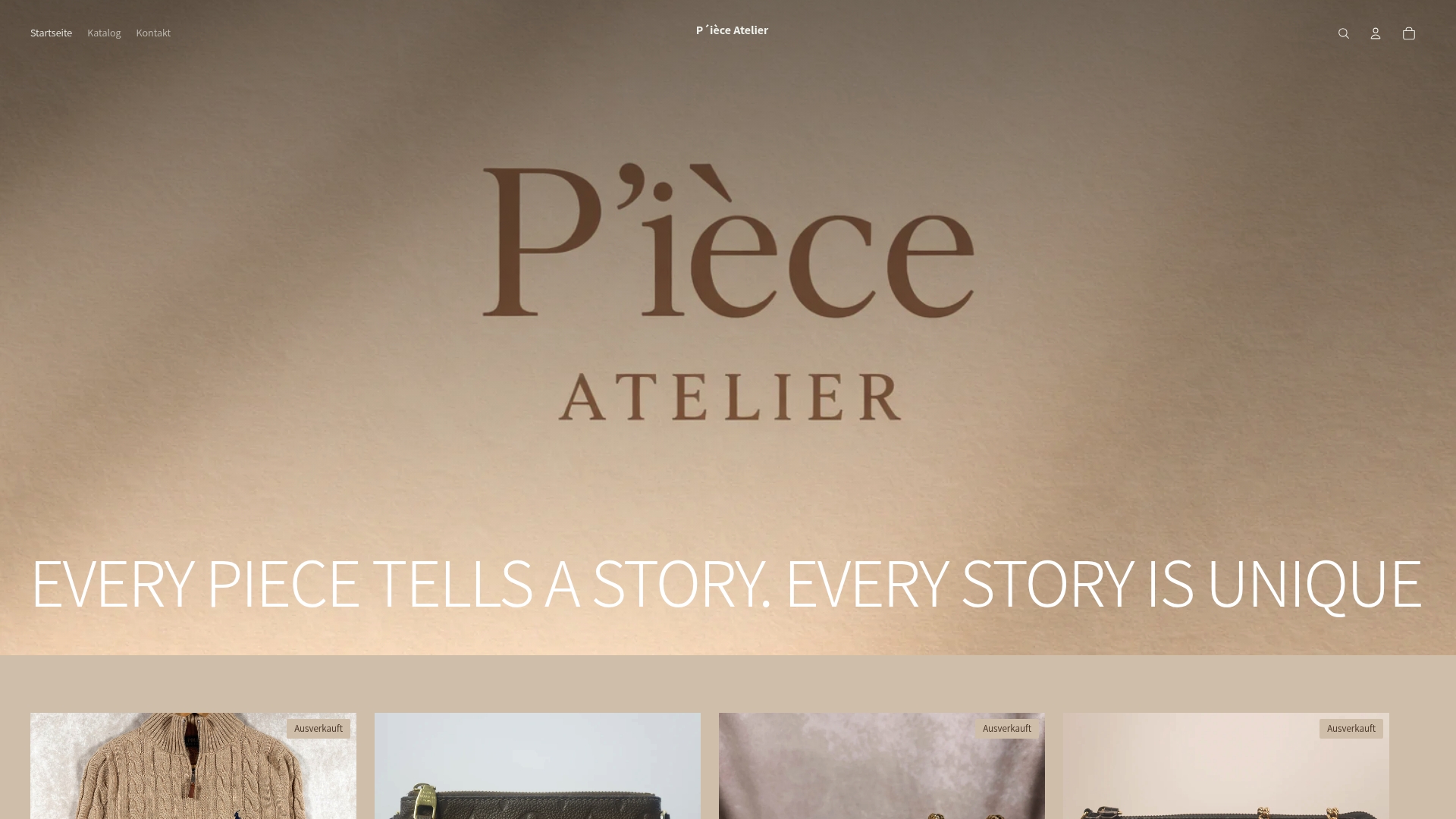
The platform features versatile classics like the Louis Vuitton Pochette Citadine, which demonstrates how heritage brands create accessories that remain relevant across decades. You'll also discover elegant women's dresses that balance contemporary wearability with timeless silhouettes. For those building a neutral foundation, options like the Ralph Lauren cableknit pullover showcase how quality basics form the backbone of a versatile wardrobe. Every piece reflects the commitment to authenticity and craftsmanship that defines truly timeless fashion.
FAQ
Is curating a timeless fashion collection expensive?
Quality timeless pieces often cost more upfront but offer greater longevity and style versatility than fast fashion alternatives. A well-made wool coat at $800 worn for 15 years costs less per wear than five $150 coats replaced every three years. Investing in heritage craftsmanship maximizes return over time because these pieces maintain relevance and physical integrity. The key is viewing purchases as long-term investments rather than disposable commodities.
How can I avoid cultural appropriation when choosing heritage-inspired fashion?
Research the provenance of cultural designs before incorporating them into your wardrobe. Avoid cultural appropriation by acknowledging origins and benefiting source communities. Favor designers and brands collaborating with source communities through licensing agreements or partnerships. Give proper attribution by learning the cultural significance of elements you wear and sharing that knowledge when asked. This approach honors the creativity and history behind designs rather than treating them as mere aesthetic choices.
What are the must-have colors and fabrics for a timeless wardrobe?
Neutrals like black, white, navy, and beige create cohesive and timeless looks that work across seasons and occasions. Add camel, gray, and earth tones for subtle variation while maintaining coordination. Choose durable, natural fabrics with classic textures for longevity. Wool, cotton, linen, and quality leather form the foundation of pieces that age gracefully. These materials develop character over time rather than showing wear, making them ideal for collections meant to last decades.
How many pieces do I need for a timeless collection?
A functional timeless wardrobe requires fewer pieces than most people assume. Aim for 30 to 40 well-chosen items that coordinate seamlessly rather than 100 pieces with limited compatibility. This includes tops, bottoms, outerwear, shoes, and key accessories. The exact number depends on your lifestyle needs, but quality and versatility matter more than quantity. Focus on building a collection where every piece serves multiple purposes and coordinates with at least five other items.
Should I follow any current trends when building a timeless collection?
Avoid trends entirely when building your core wardrobe of timeless pieces. Trends create artificial obsolescence that contradicts the goal of lasting style. Once your foundation is solid, you can selectively incorporate trend-influenced accessories or secondary pieces that don't compromise your collection's integrity. These additions should enhance rather than define your style. The strongest collections remain recognizable across years because they reflect personal taste rather than seasonal dictates.
Recommended
- Le Cigarette Smoking von Yves Saint Laurent – Mode als kulturelles Sta – P´ièce Atelier
- Piece Atelier: Wo Kultur und Designer-Mode aufeinander treffen – P´ièce Atelier
- Beispielprodukte Elegante Kleidung für Damen – P´ièce Atelier
- Louis Vuitton – Vom Reisehersteller zur Monopolstellung im Luxusmarkt – P´ièce Atelier